Veritas Honing Guide, Fritsche Honing Guide, Japanese Honing Guide
A honing guide is really an essential for sharpening plane irons and chisels if the intention is to maintain or renew a clean, straight bevel. In fact, the aid is the only way for a beginner to manage this at all, and it is appreciated by the expert sharpener because it makes the job so much faster and easier.
Not all the aids are all things to all blades. Japanese and European tools, being differently designed, present different challenges to the honing guide. Always take care to fix the tool in the guide at as near to 90° as you can. This is especially important for planes with a narrow throat and no adjustment for the blade.
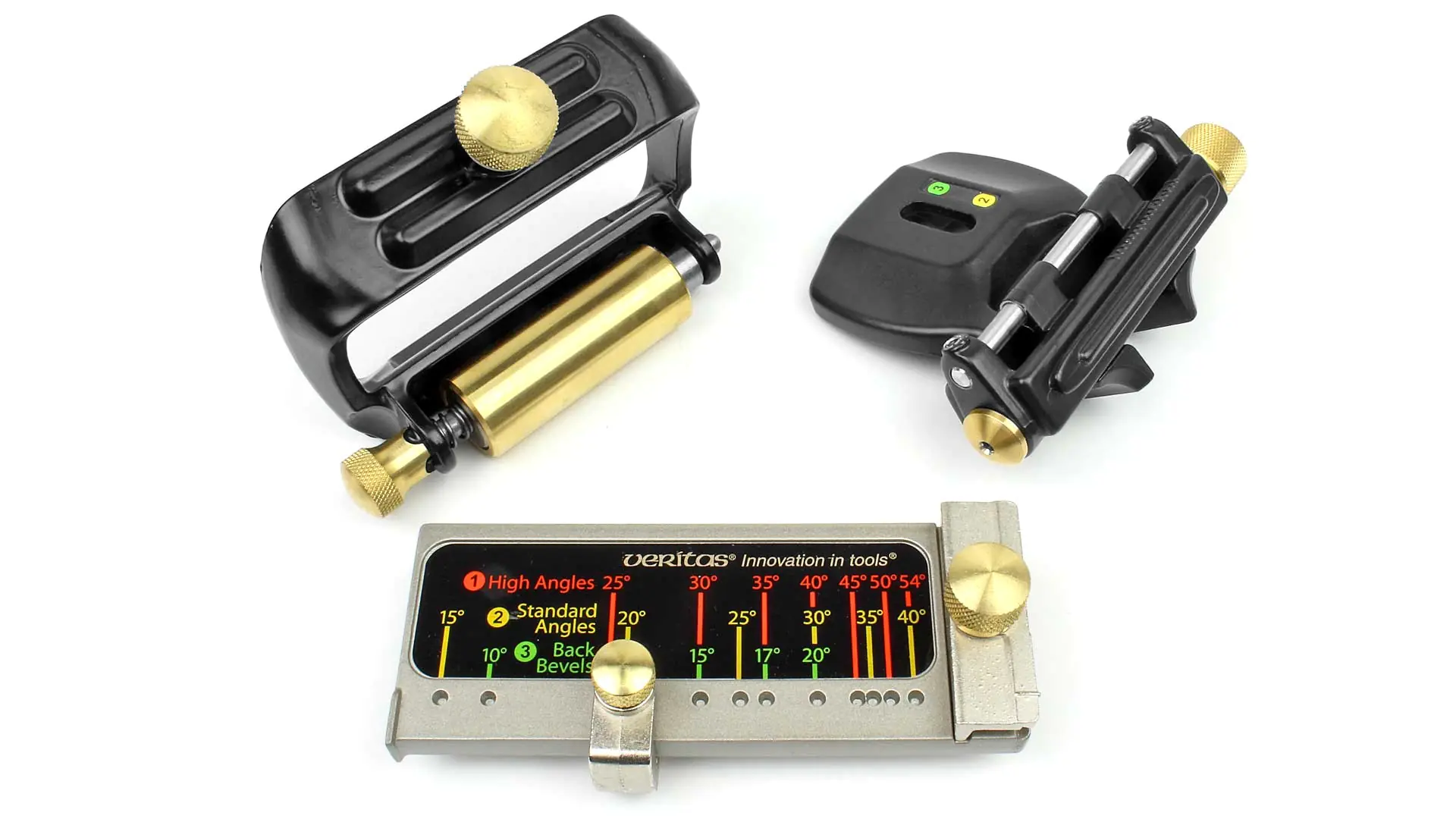
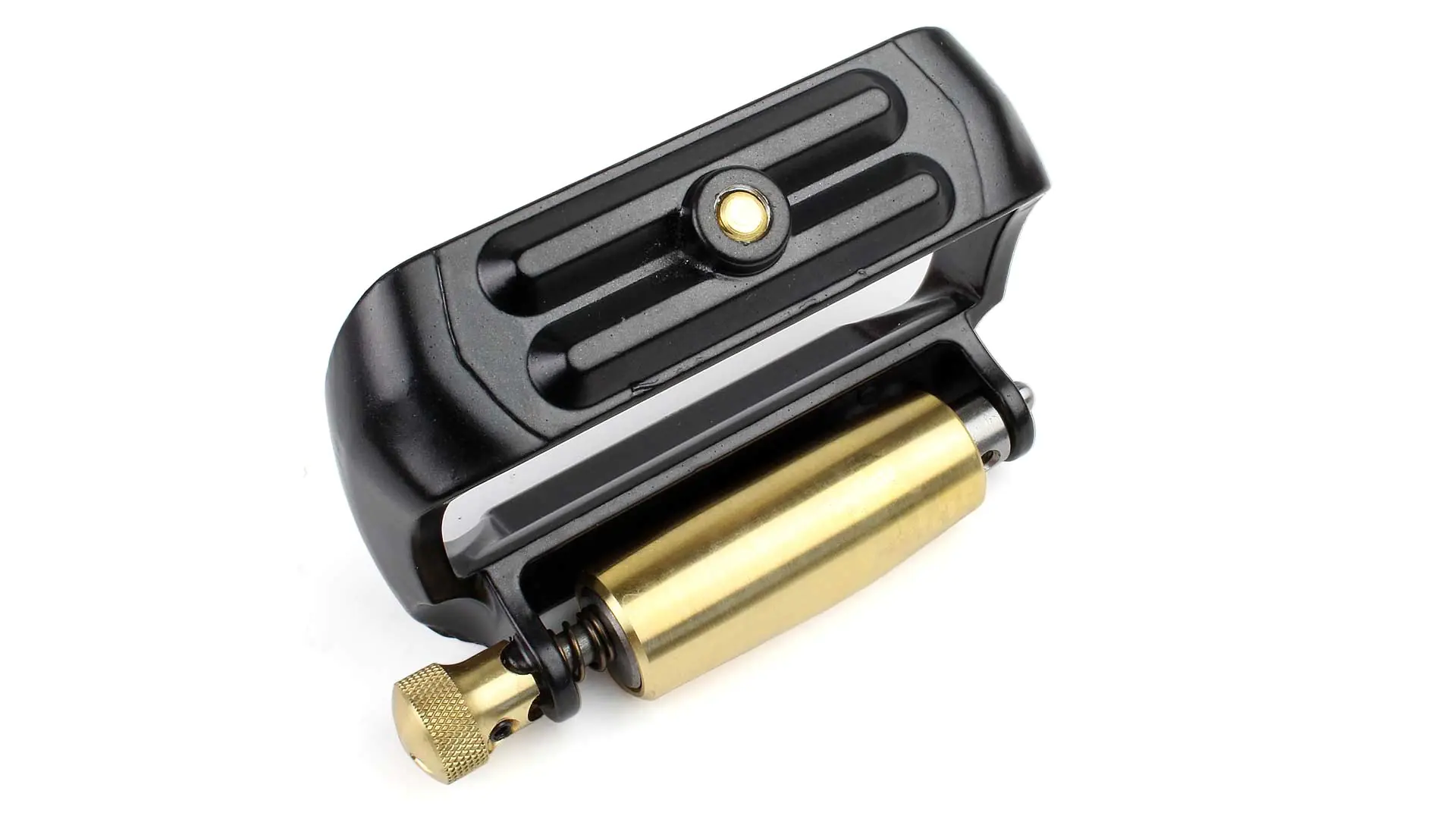
The key to consistent and fast honing is repeatability – and the Veritas honing guide system delivers it in spades. Whether you're a sharpening veteran or just starting out, this versatile guide lets you concentrate on sharpening without worrying about controlling blade angle at the same time. This makes your honing reliable, accurate and consistent. Three options let you choose the honing guide that best suits your work style and shop needs.
Veritas MK.II Standard Honing Guide
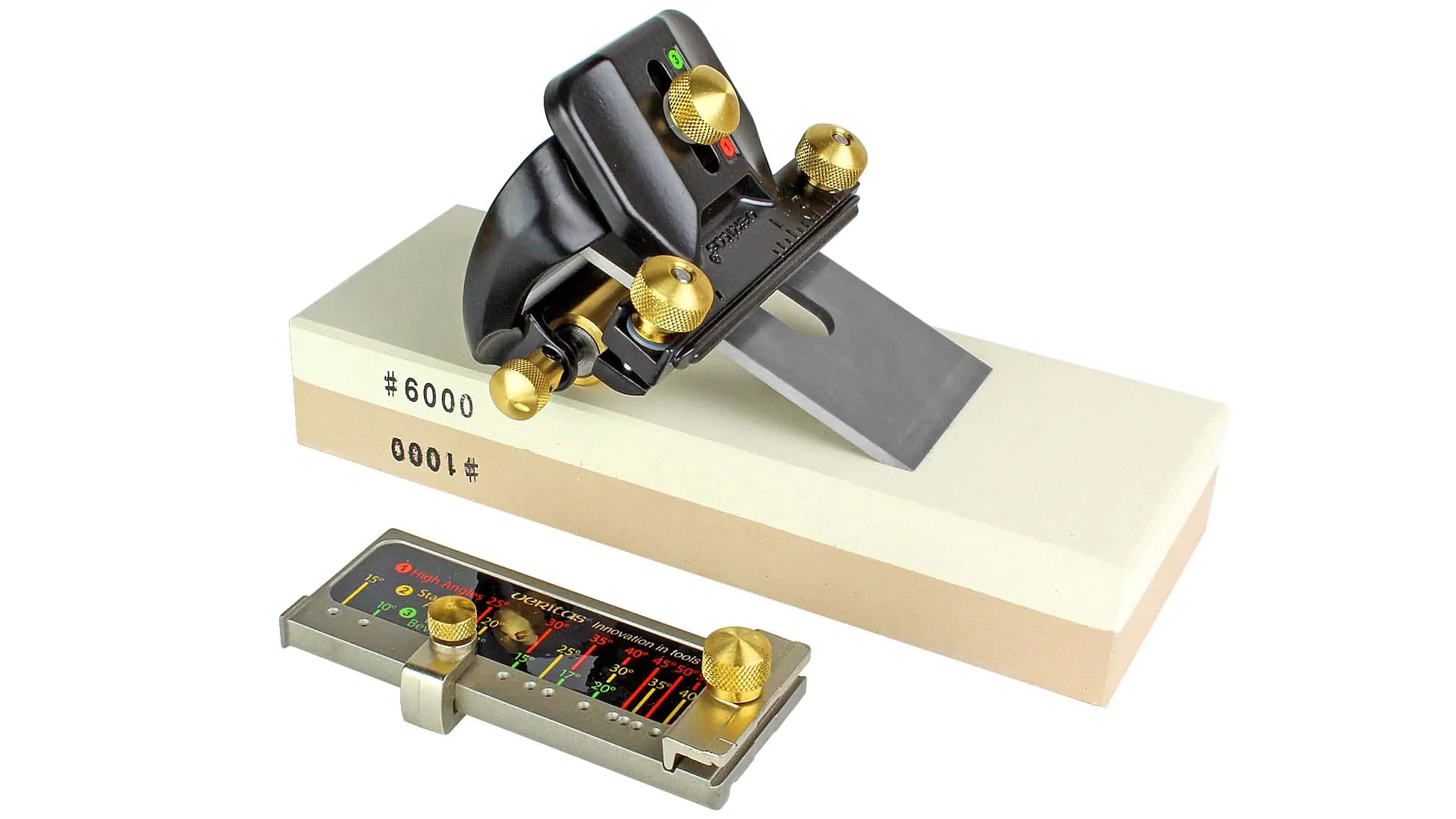
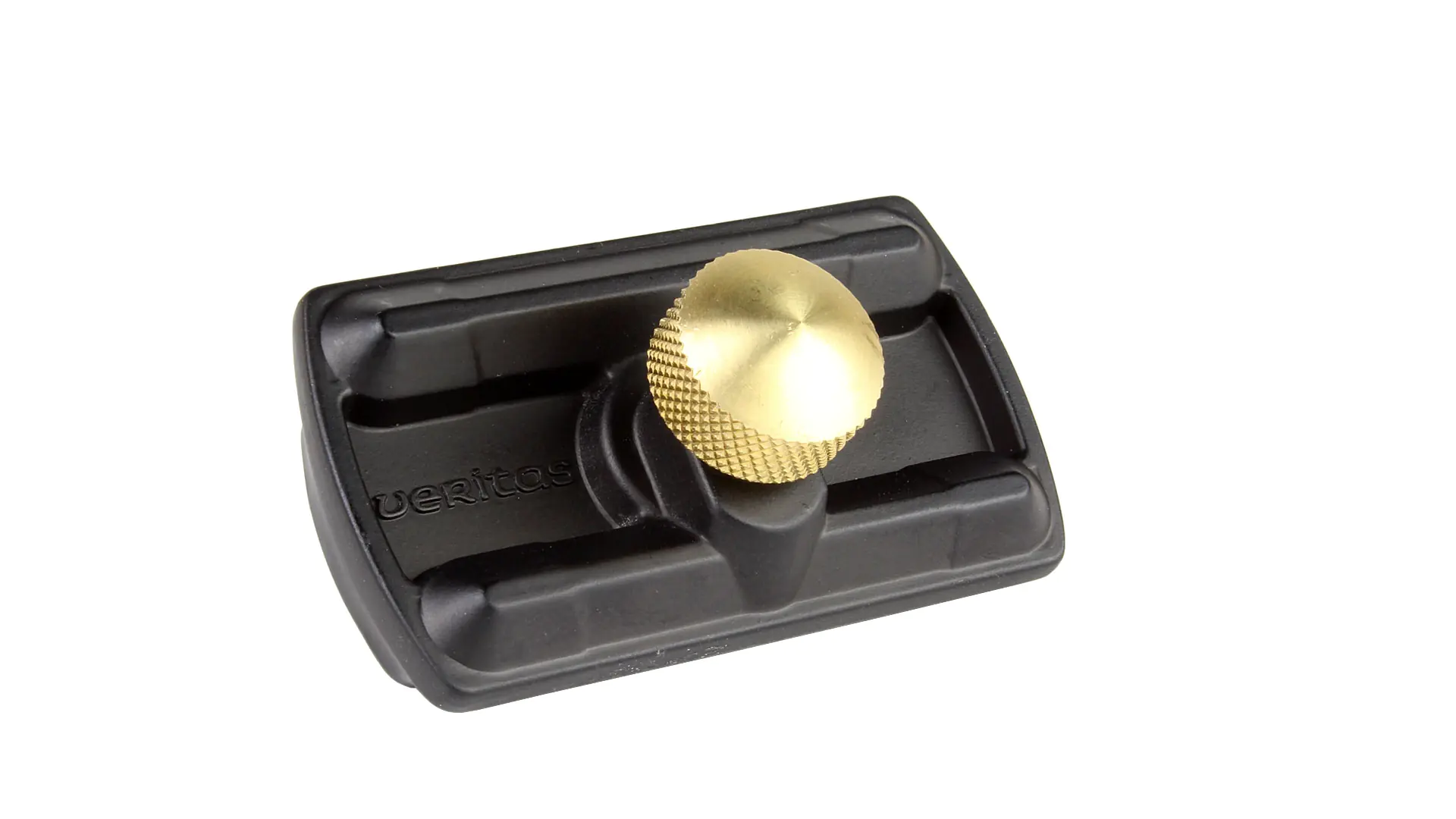
The original standard Mk.II honing guide includes the standard clamping head, straight roller base and angle registration jig. It's the option most useful for woodworkers who mostly use planes and other wide blades. It accepts blades between 12.7 mm (1/2 inch) and 73 mm (2-7/8 inch) wide and up to 11.9 mm (15/32 inch) thick, including skew blades. It hones bevel angles from 15° to 54° and back bevels from 10° to 20°. The standard head uses a clamping bar that registers on the face of the blade. The straight roller hones straight edges. Stone NOT included!
More ...
Minimum blade lengths!
Instructions (PDF 560 KB)
Veritas Mk.II Narrow-Blade Honing Guide
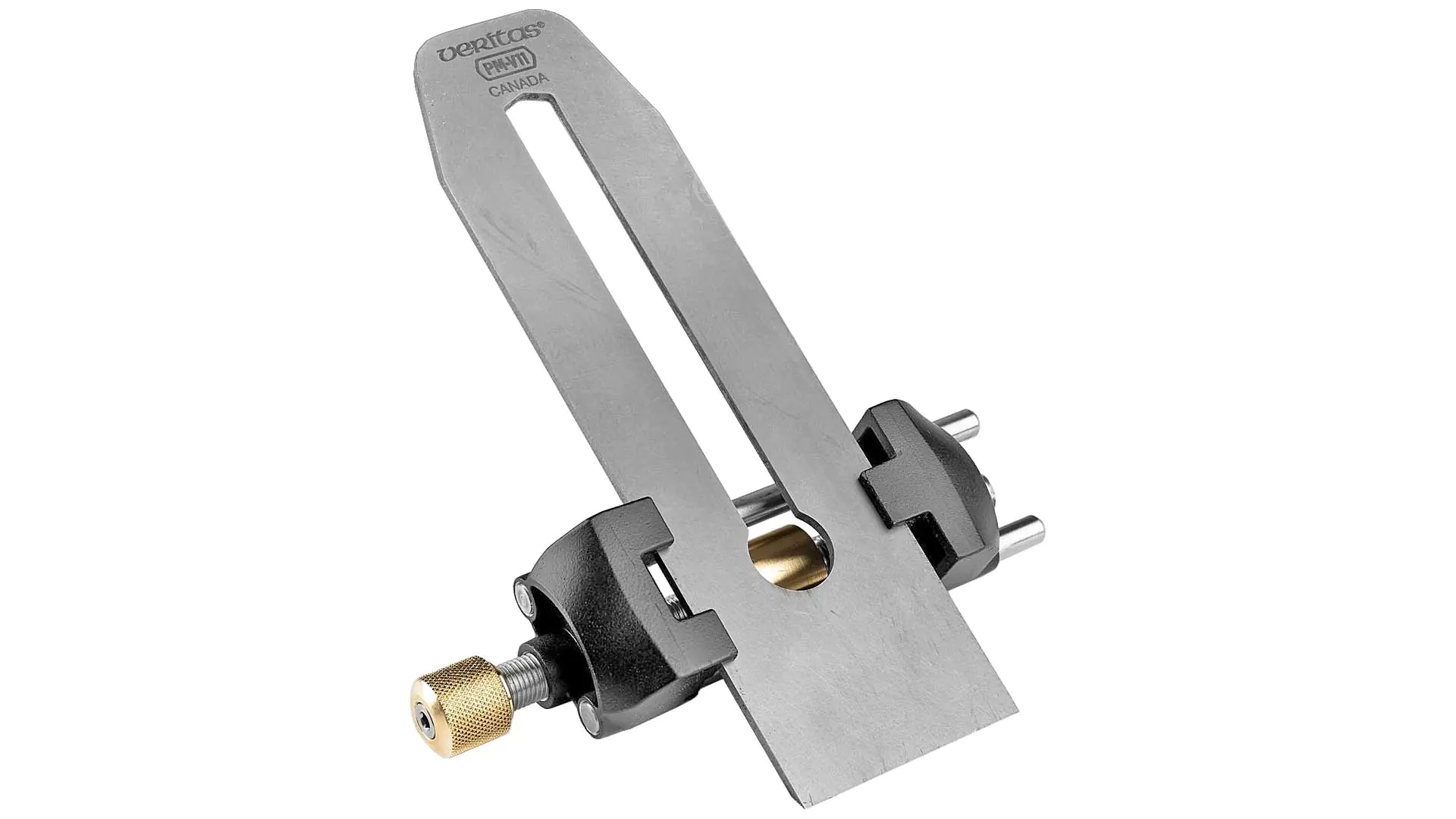
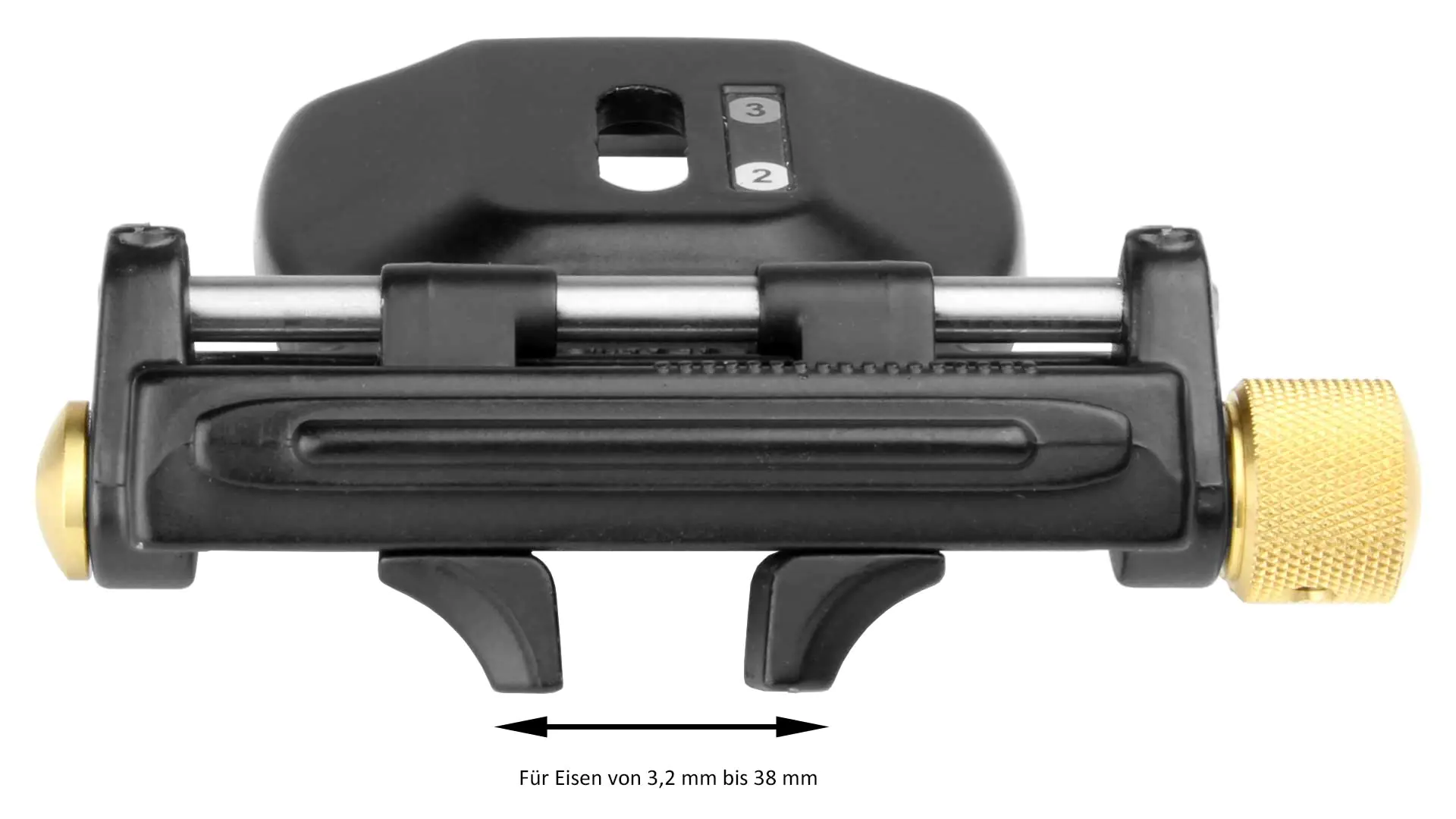
For those who predominantly sharpen narrow blades, Veritas offers a narrow-blade honing guide consisting of the narrow-blade clamping head, the standard roller base and the angle registration jig. It clamps blades from 3.2 mm (1/8 inch) to 38 mm (1-1/2 inch) wide using parallel jaws to ensure blades stay square to the jig. Whether they have bevelled or square edges, blades are kept centered and tight to the reference face of the jig by the canted jaws. It accepts beveledged chisels up to 11.9 mm (15/32 inch) thick and square-edged chisels up to 8.7 mm (11/32 inch) thick, and hones bevel angles from 15° to 40° and back bevels from 10° to 20°. The narrow-blade head clamps blades from the sides with parallel jaws to ensure they stay square to the jig. The straight roller hones straight edges. At 51 mm (2 inch) wide, it provides a stable base for even the narrowest of blades.
Veritas Narrow-Blade Clamp Head
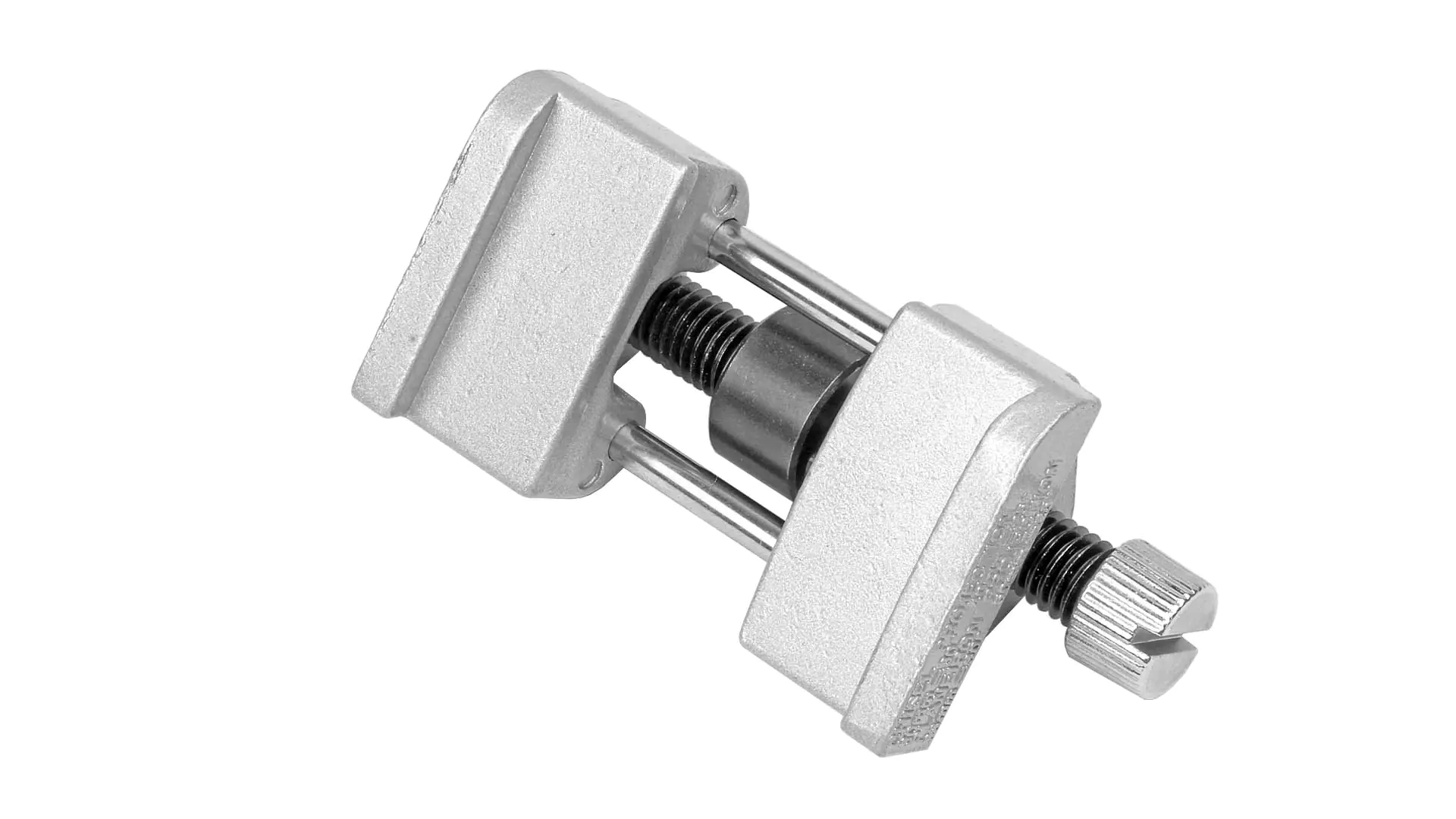
The narrow-blade head is compatible with the existing MKII Standard Honing Guide. Therefore Veritas offers the narrow chisel head assembly separately - for the thousands of MKII honing guides currently used all over the world.
Mortise Chisel Adapter for Veritas Mk.II Honing Guide
This adapter for the VERITAS Mk.II honing guide expands its blade-holding capacity to allow consistent, accurate honing of mortise chisels. It increases the space between the roller base and the blade carrier to accommodate the thicker blades of mortise chisels, holding blades up to 17.5 mm (11/16 inch) thick.
Compatible with the narrow-blade clamping heads, the adapter is configured so that the angle registration jig will yield the correct bevel angle in the 30° to 35° range typical of mortise chisels. Cast from a zinc-aluminum alloy.
Made in Canada
Instructions (PDF)
Instructions (Image)
Veritas Mk.II Deluxe Honing Guide Set
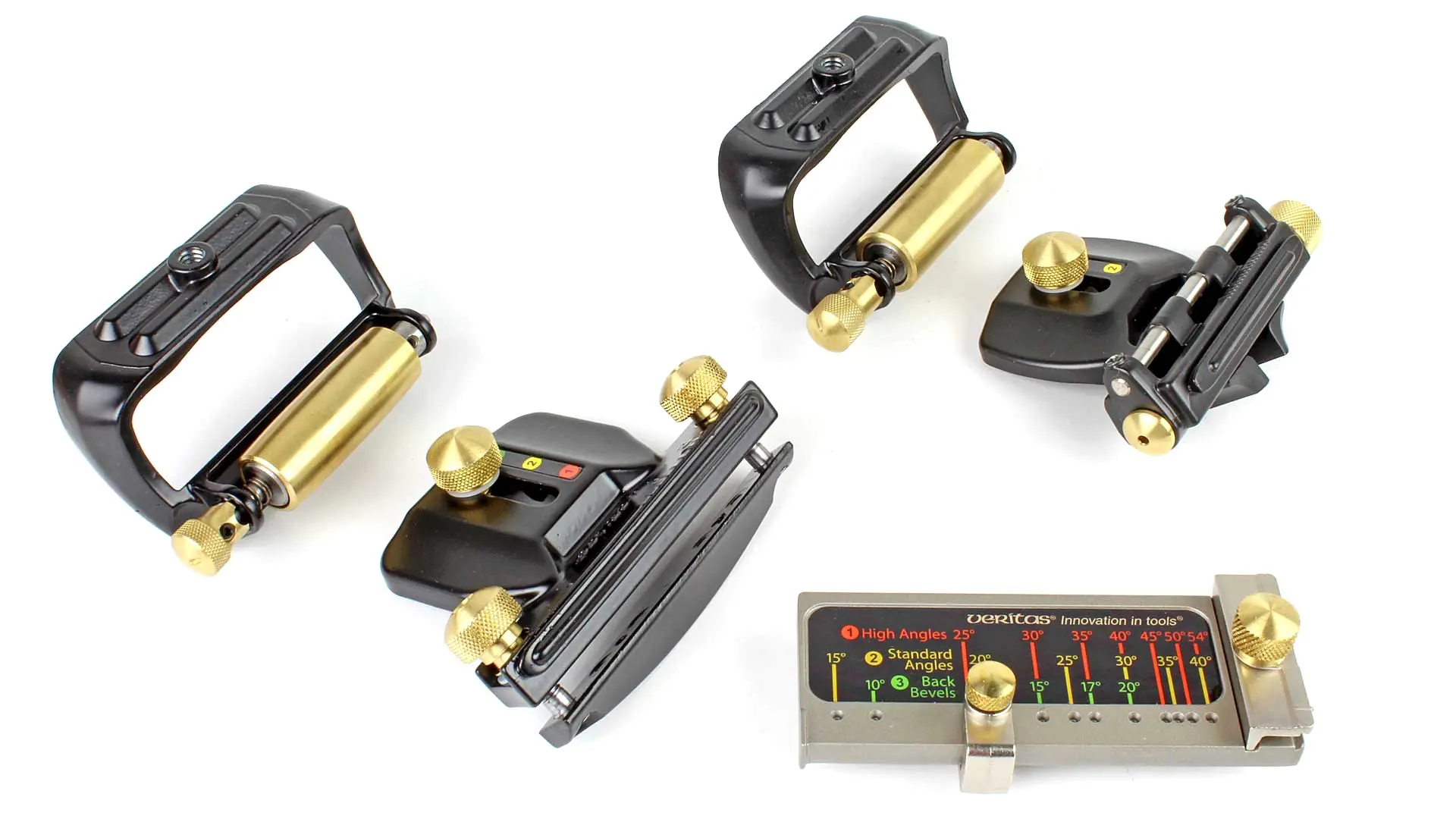
The most versatile set, the deluxe honing guide set includes both the standard and narrow-blade clamping heads as well as the angle registration jig, a straight roller base and a camber roller base. Combined, the two clamping heads accept blades ranging from 3.2 mm (1/8 inch) to 73 mm (2-7/8 inch) wide. The completely predictable results this set offers for a wide variety of blades makes it useful in the shop of any woodworker who works with hand tools.
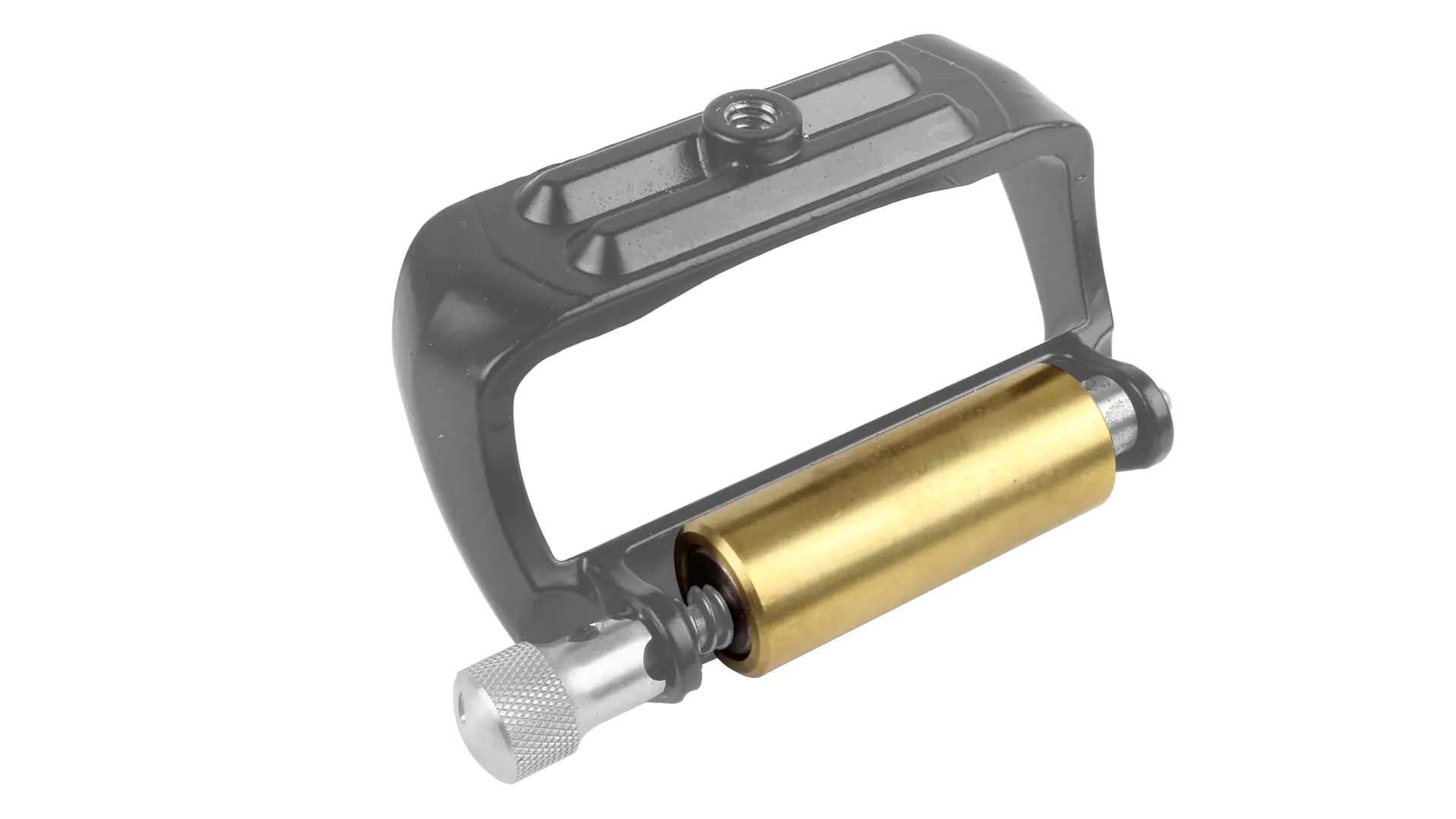
Replacement Roller straight for Veritas MK.II Honing Guide
VERITAS Skew Registration Jig for Veritas MK.II Honing Guide
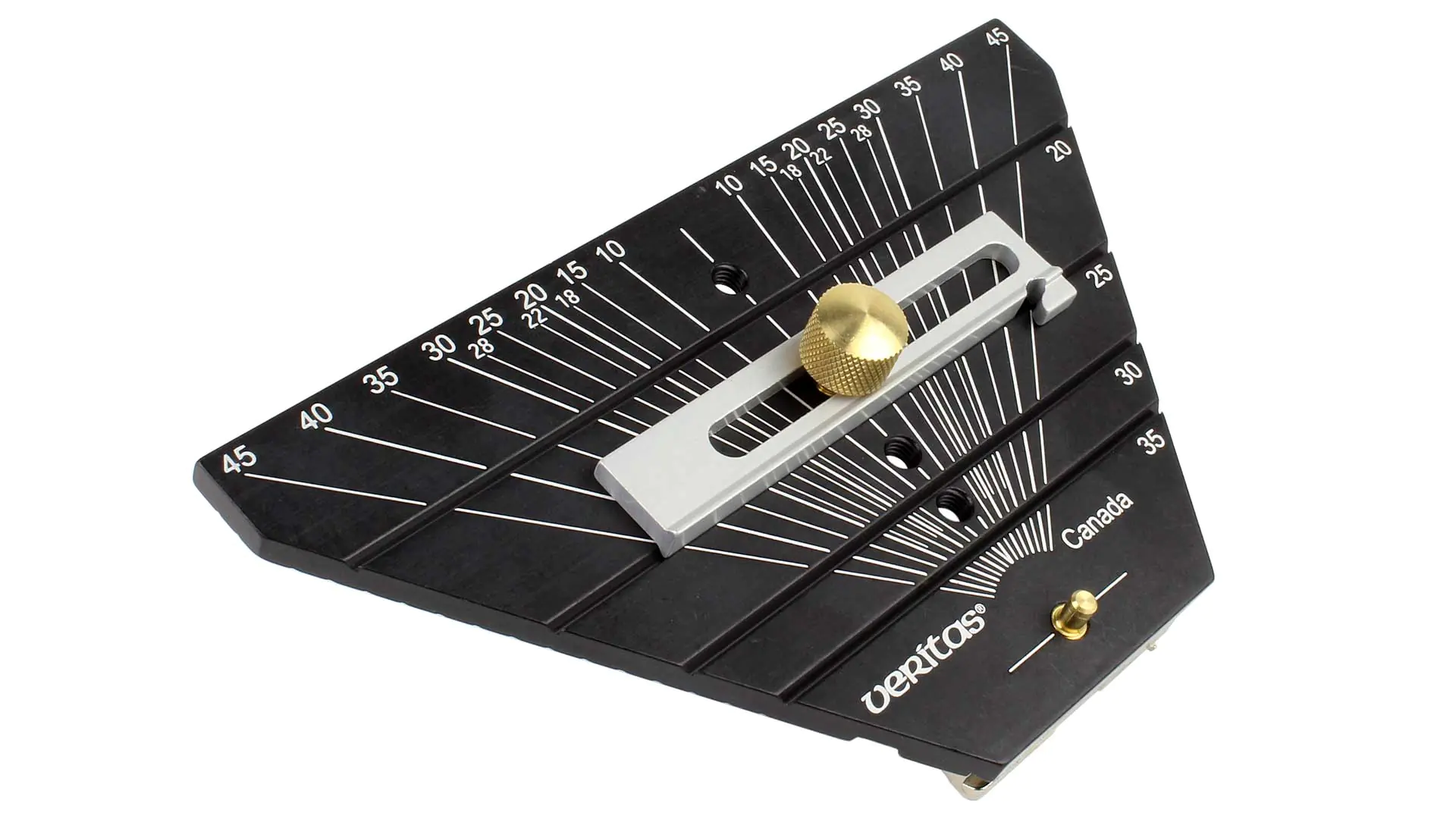
This registration jig locks into the Mk.II honing guide to make quick work of setting both skew and bevel angles (left- or right-hand) of chisel and plane blades.
More ... and some words about its limitations
Camber Roller Assembly for the Mk.II Honing Guide
The Veritas Mk.II Honing Guide has been designed to produce accurate and repeatable square bevels on chisel and plane blades. However, when using smoothing planes on large, flat surfaces, it is desirable to hone a slight curve, or camber, into the edge of the blade. This allows the cut to taper out on each side, and avoids plane tracks in the surface.
Note: Not suitable for scrub plane blades!
Veritas Jointer Blade Sharpener
A commercial sharpening service or a sophisticated home grinder is necessary for badly nicked blades. The Veritas jointer blade sharpener is designed to restore blades dulled from normal use, even if they contain minor nicks.
It clamps blades up to 8 inch (203 mm) wide (including hand-plane blades) for sharpening on abrasives. Just stick the abrasive to a plate glass surface, adjust the elevating screw until the bevel is flat on the abrasive, and use it as you would any other honing guide. After basic sharpening, switch to a fine abrasive, and hone a fine micro-bevel. Two position stops ensure that successive blades are honed identically. It is both easy and effective, letting you quickly restore blades that you would probably let become far duller before sending out for service.
Made of cast aluminum with brass and steel fittings. It comes with a half sheet (5-1/2" x 8-1/2" / 140 x 210 mm) of 1000 grit micro-abrasive film.
More abrasives
Veritas Small Blade Holder
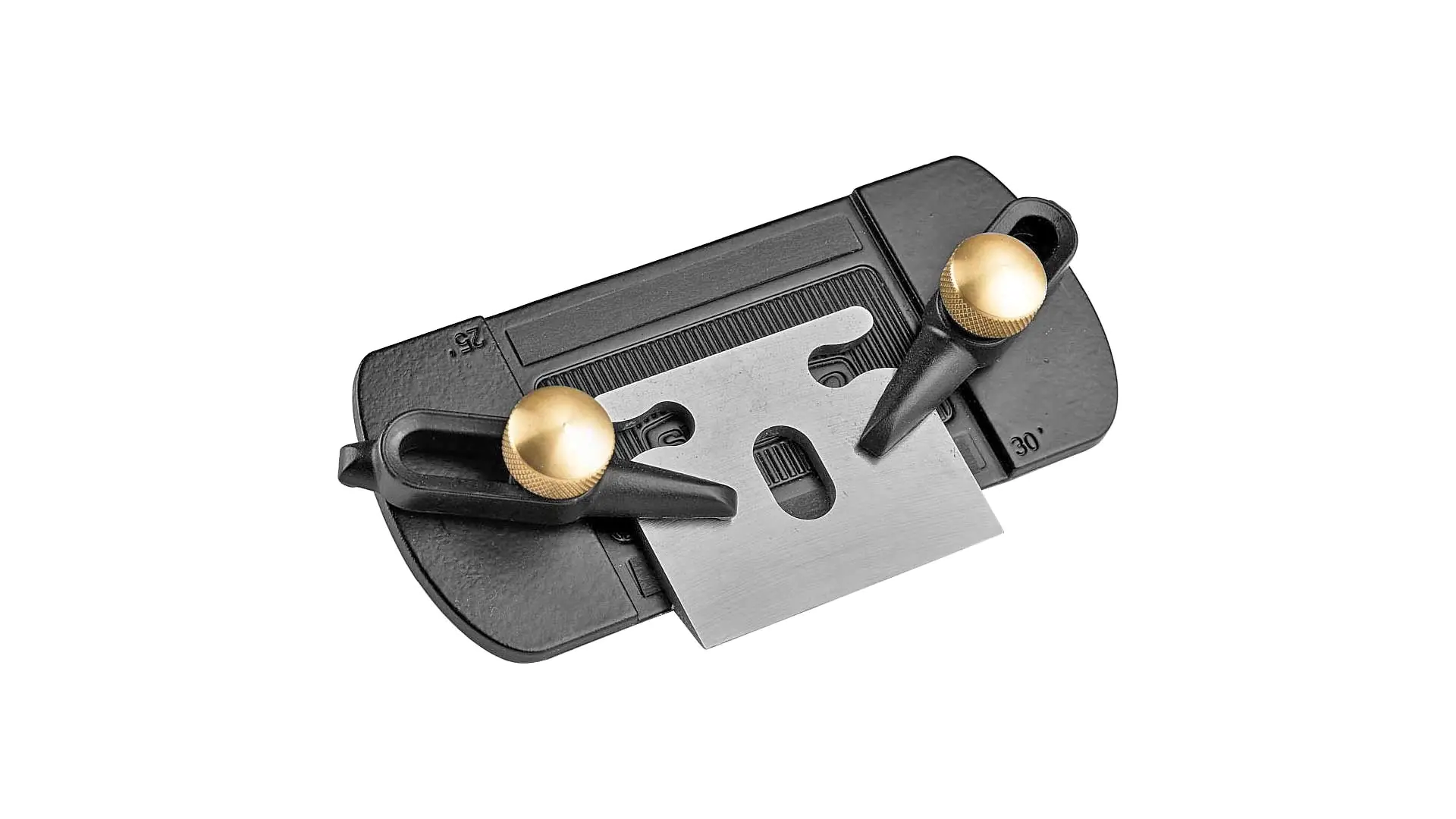
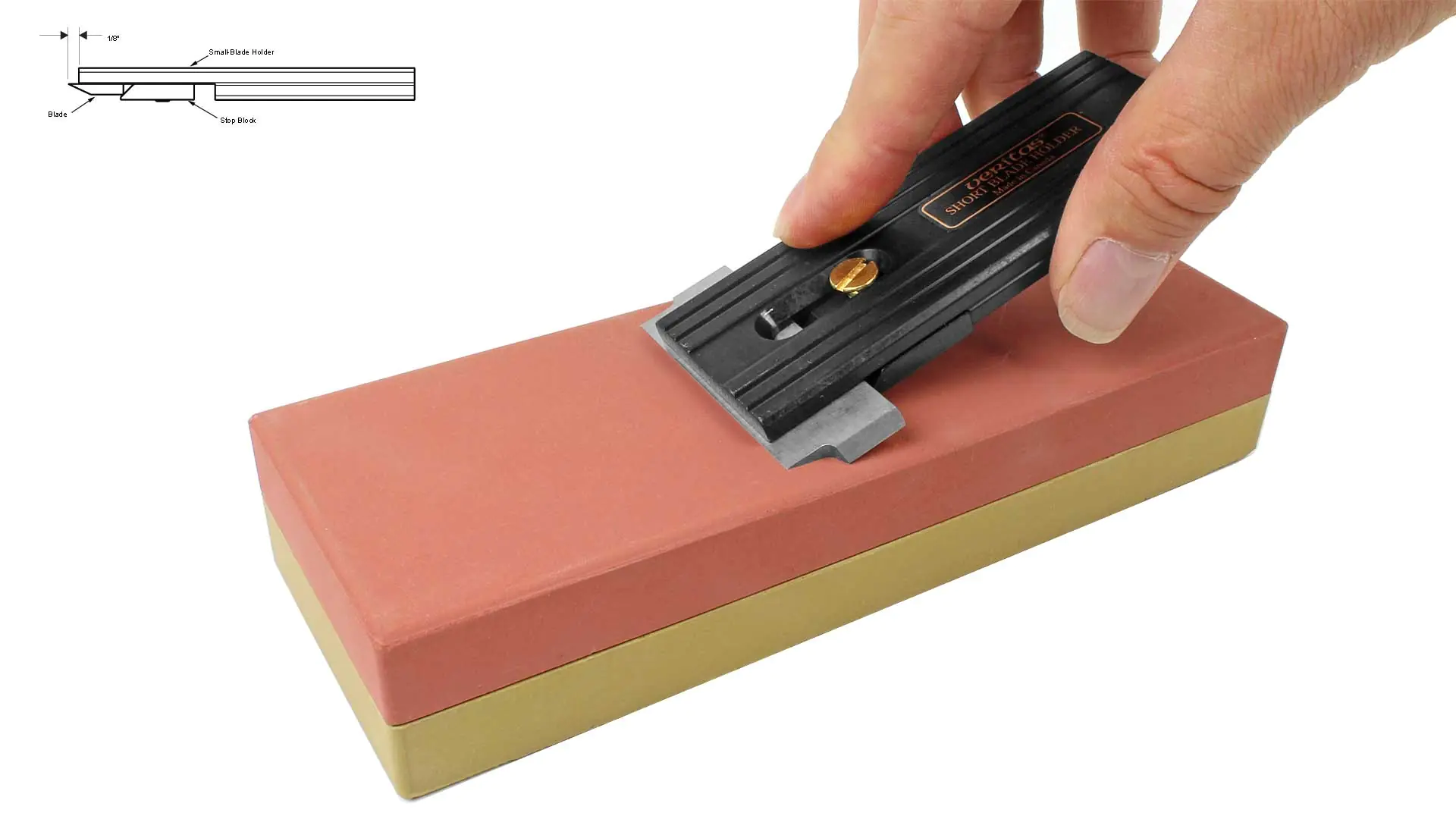
Because of the difficulty holding short blades such as those found in most spokeshaves, instrument maker's planes, etc., sharpening them has been difficult. The Veritas small-blade holder solves this effectively and safely by securing the blade using two powerful rare-earth magnets embedded into anodized aluminum and an adjustable stop block. In effect, it transforms your short blade into something larger (38 x 102 mm) that can be effectively held for sharpening, either by hand or by mounting in a honing guide such as the Veritas Standard Honing Guide or any other honing guide that takes blades up to 9.5 mm thick.
For blade lengths from 13 to 50 mm
Thickness of holder: 9.5 mm
The included spacer and long machine
screw allow it to be used with the old Veritas Sharpening System.
Veritas Miniature Honing Guide
Veritas has produced miniature versions of their tools for years, and while they certainly have appeal as collectibles, each is fully functional. To support their utility, this honing guide is a natural extension, so that those who use the Veritas miniature chisels and planes can keep the blades properly sharpened.
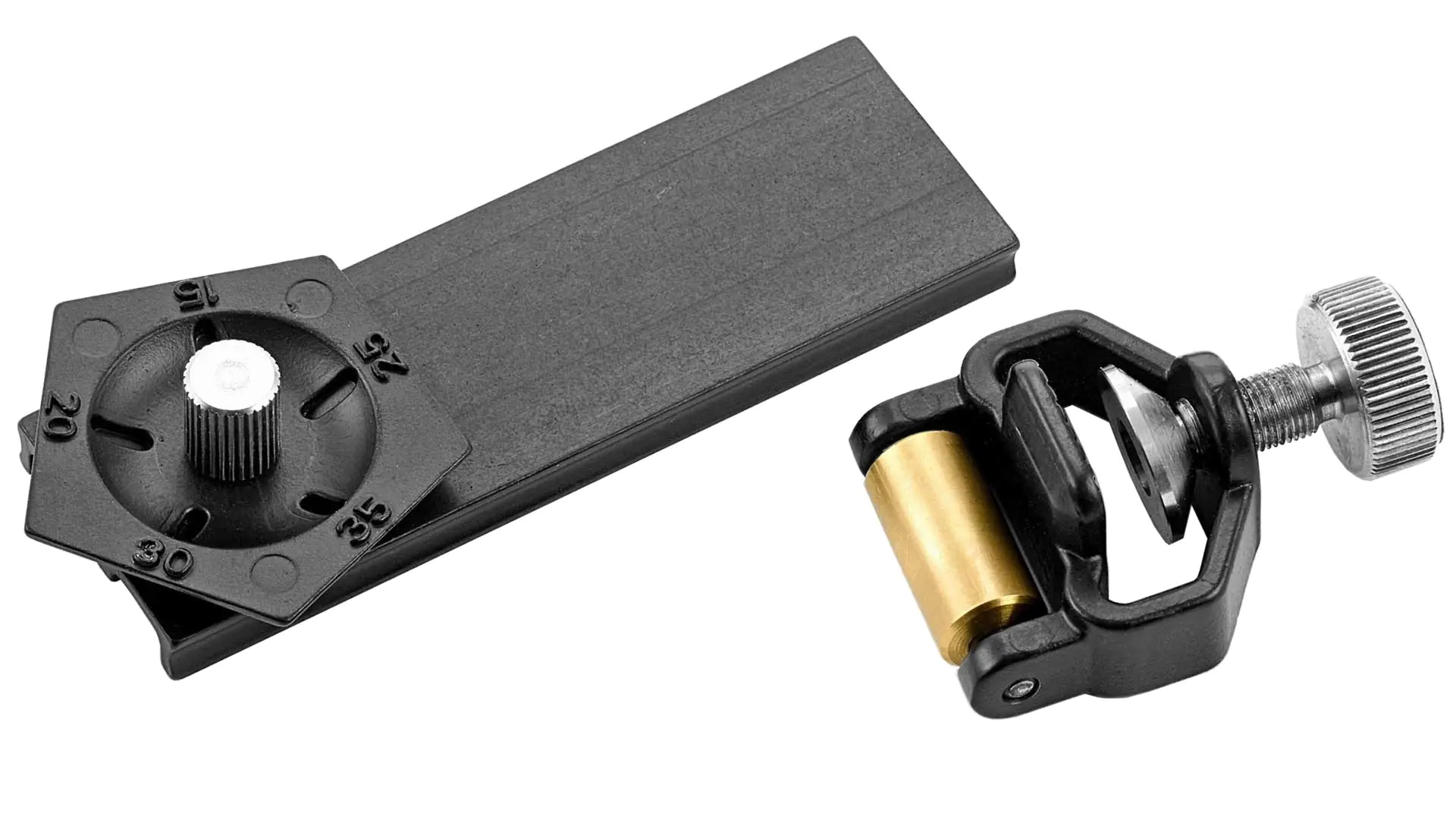
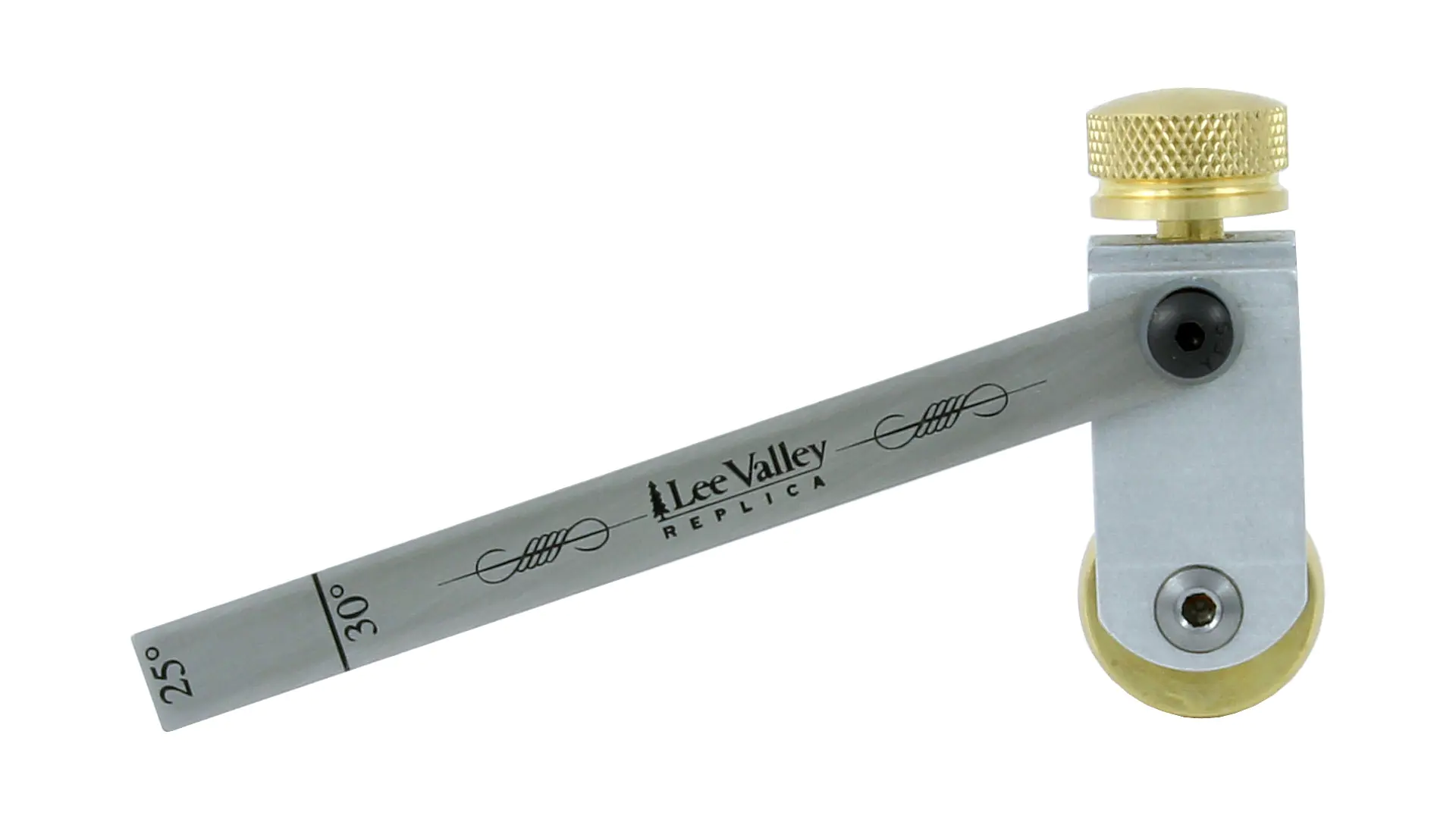
A 1:3-scale version of the Veritas sharpening system, it consists of a honing guide and an angle jig. The honing guide has a die-cast aluminum body that rides on a brass roller and accepts blades up to 19 mm wide; the stainless-steel clamping knob holds the blade against a pad in the guide. The angle-setting jig has a 63.5 mm long base and a 5-sided wheel that you can turn to a selected facet. You can use it to set your blade angle to one of the five most common bevel angles (15°, 20°, 25°, 30° and 35°). With the blade loosely held in the honing guide, simply roll the guide up to the wheel and clamp the blade. You can return to exactly the same angle each time you want to hone a blade, ensuring accuracy and reducing sharpening time.
Not only for use with Veritas miniature tools, the system is also a sharpening option for other small blades, such as those used with the Veritas flat detail palm plane and other small planes. Comes in a French-fitted leatherette presentation box. Made in Canada.
Instructions (PDF)
The Ultimate Honing Guide - made by Gerd Fritsche
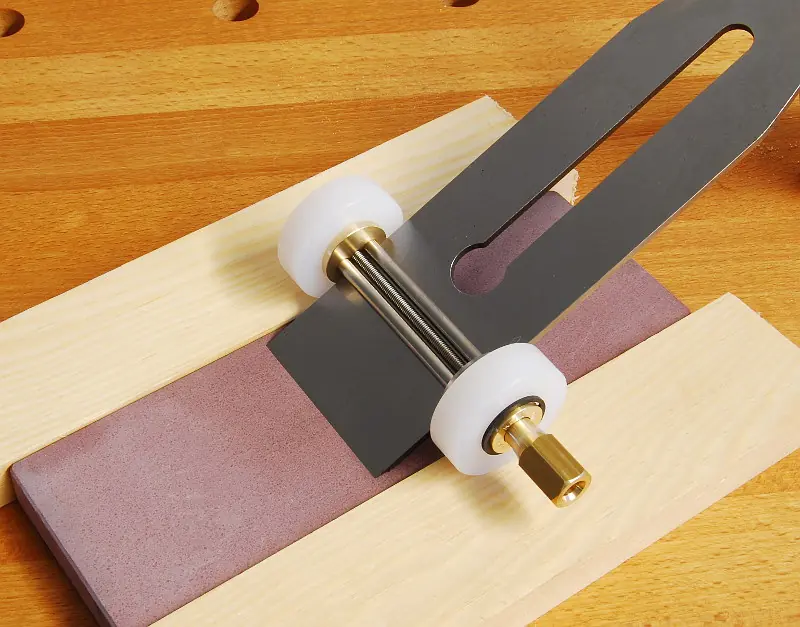
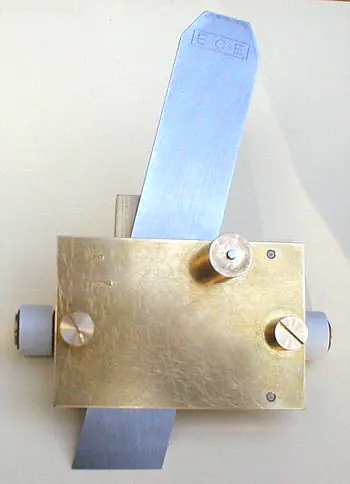
When using a honing guide, one of the disadvantages is that the roller prevents you from using the entire length of the stone and the roller itself becomes worn fairly quickly rolling over the abrasive stone. With this honing guide, the roller stays on the table, in front of the sharpening stone, and so allows you to pass the blade over the entire length of the stone. Another advantage is that with Fritsche’s honing guide, the abrasive slurry does not get into the wheel assembly or other parts of the guide and get transfered to the next finer stone.
In contrast to other sharpening and honing guides, the clamp on this one holds the iron from the bottom, not the sides or the top. In this way the guide is always held in reference to the back, or mirror side of the iron. The size of the guide and the long stroke on the stone its design allows, lets you work with both hands and exert a lot of pressure. This results in faster results than you can get with other sharpening guides. The single wheel on the back of the guide also allows you, if desired, to exert more pressure on alternating sides of the iron during each pass, resulting in a slightly rounded or convex cutting edge.
The bevel setting is adjusted by raising and lowering the wheel. One can set the guide to cut between about 20° to 35° as long as the stone is not thicker than 20 mm. For example, the SunTiger grinding stone is about 50 mm thick, and so in that case the stone must be lowered in relation to the wheel to achieve the proper bevel. It is also important that the surface of the stone and the surface the wheel moves on are very nearly parallel.
The Ultimate Honing Guide can be used with irons up to 66 mm wide, and 47 mm is the minimum practical length. The body is in stainless steel, the knurled nobs and wheel are plastic. Comes with extra wheel for narrow chisels.
Directions for use - Click here now!
Important Advice: Be careful - as with all types of honing guides - that both the back or mirror side of the iron and the stone are flat when sharpening. If this is not the case, you will never achieve the fine edge your fine tools are capable of achieving.
Grintec K2 Sharpening Guide Designed for Japanese Plane Irons
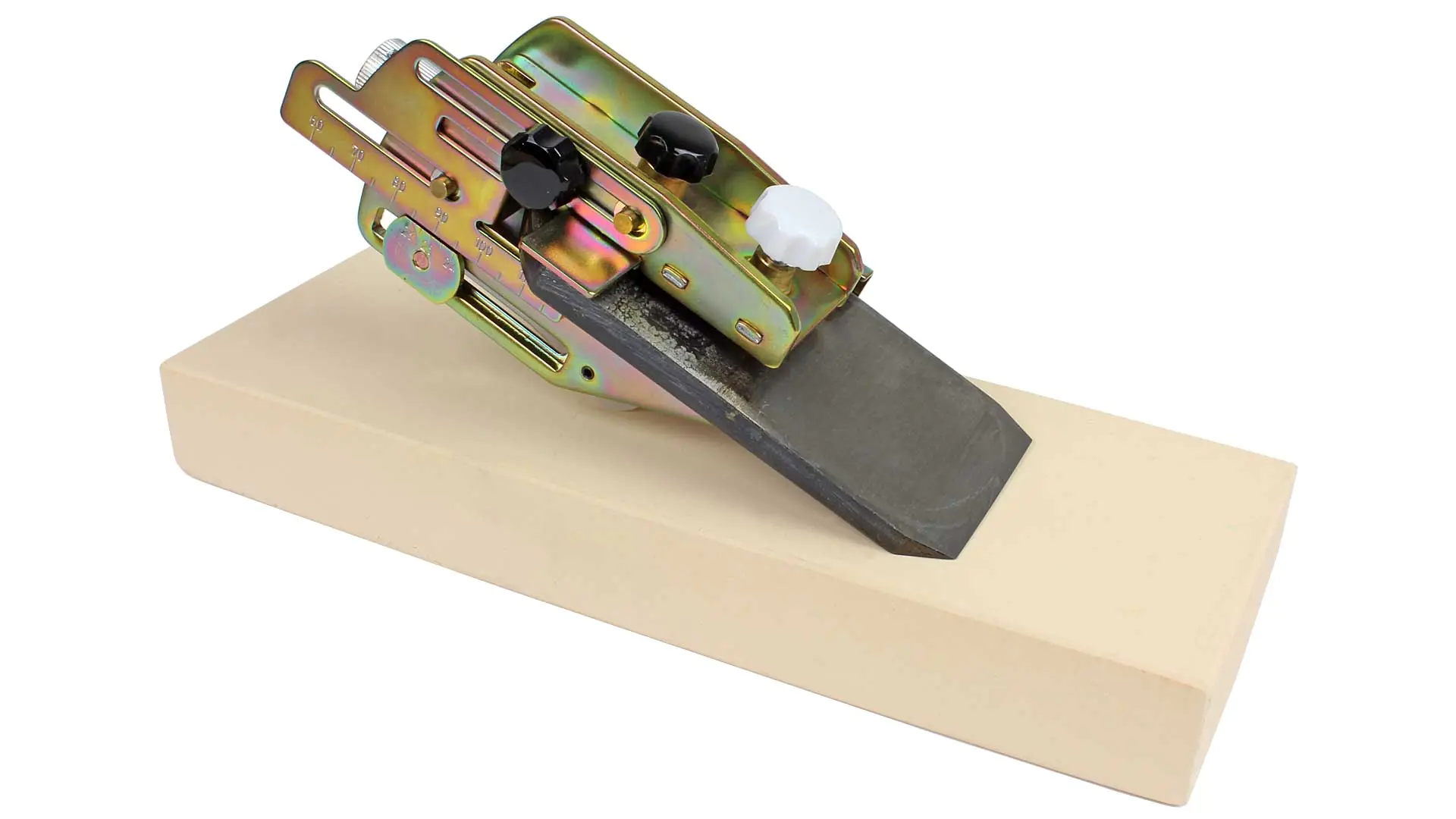
The Grintec K2 is a honing guide specially designed to sharpen traditional Japanese plane irons. In comparison to Western plane irons, Japanese irons are much shorter and thicker. They are also roughly wedge-shaped from heel to edge and the sides are also often not parallel. These points suggest how difficult it is to design and build a honing guide that will hold the irons in place while sharpening them. The name "Grintec" is a mix of the words "grind" and "technology".
Instructions
Replacement Roller