
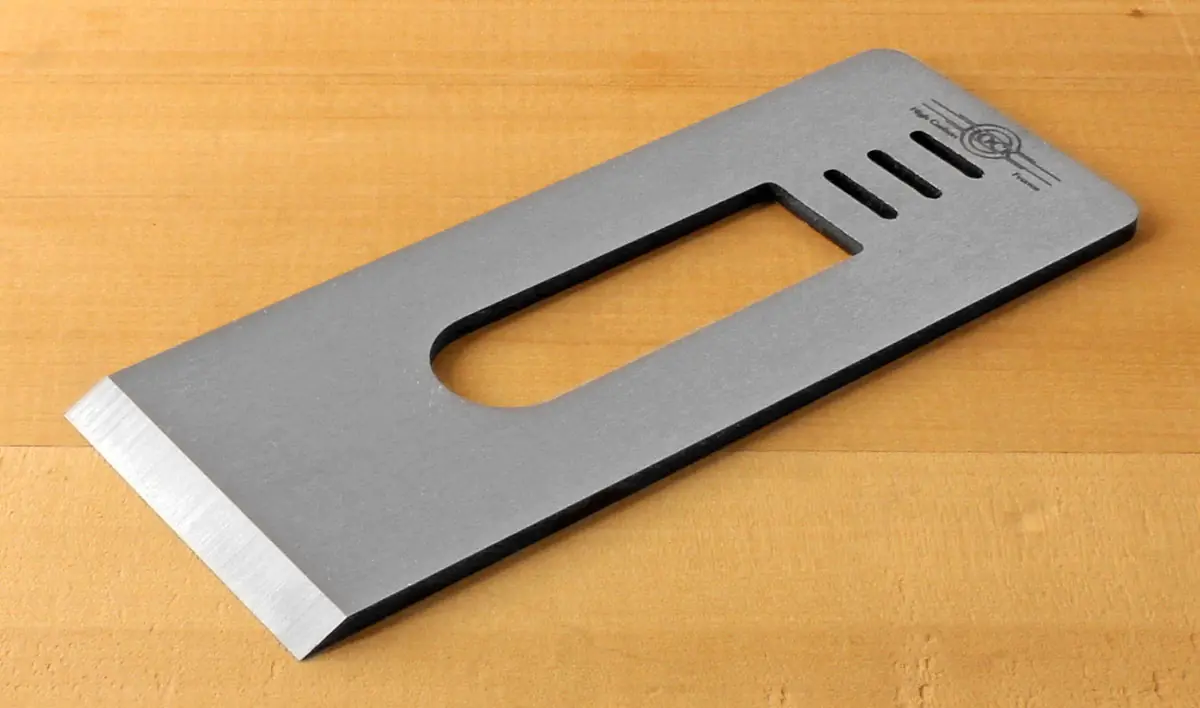
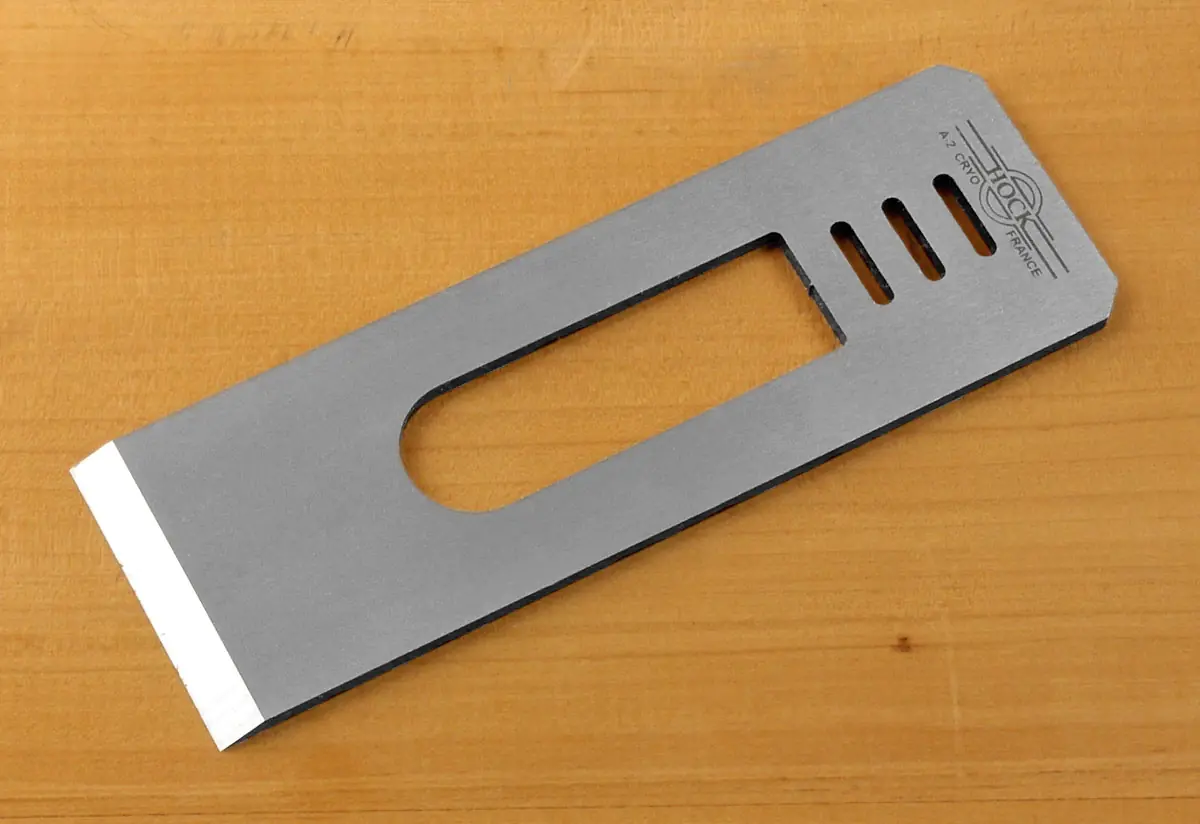
Three characteristics are essential for steel used in cutting hand tools: long edge retention, good sharpenability, and resistance to corrosion. However, due to the manufacturing process, only two of these properties can be achieved. At HOCK TOOLS, we believe that for woodworkers, corrosion resistance is the least important trait. What matters is a blade that stays sharp for a long time and, once dull, is easy to sharpen.
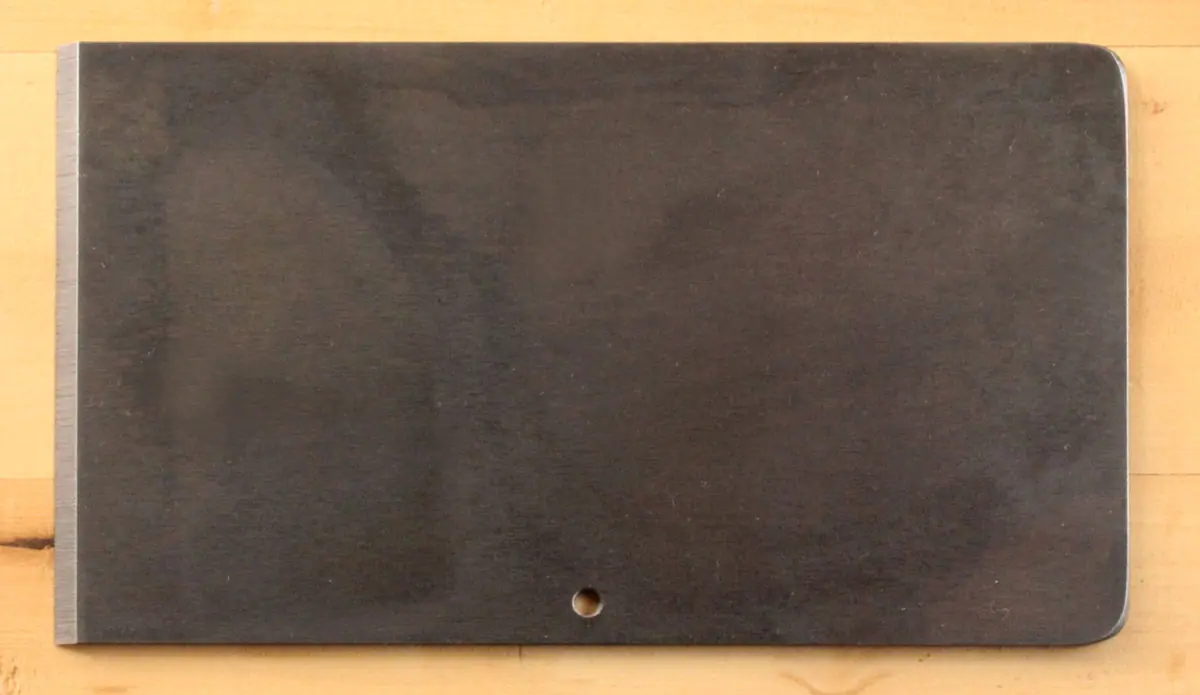
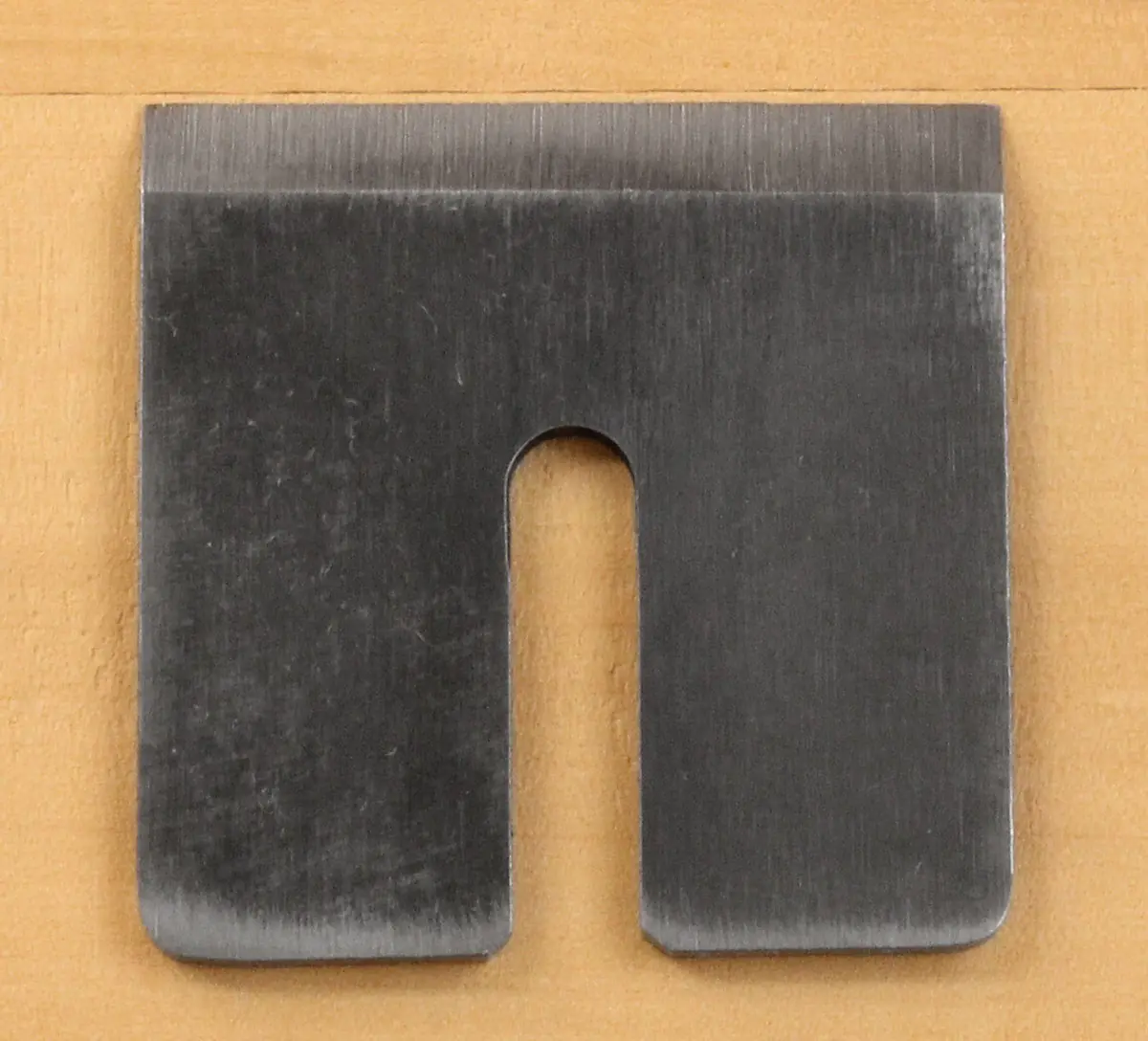
The carbon content in steel determines its ability to be hardened through heat treatment. The hardness of the steel determines its ability to maintain the sharpness of the edge even under hard use and to delay wear, i.e., dulling, for as long as possible. The harder the steel, the longer the edge stays sharp. However, the higher the hardness, the greater the brittleness. Tempering the steel at moderate temperatures after hardening reduces this brittleness but also reduces hardness and wear resistance. The manufacturer of a plane blade must find the balance between the various mutually exclusive properties. Our plane blades are hardened to a Rockwell hardness of 62 HRC, which guarantees good edge retention. They are harder than standard replacement blades but not as hard and brittle as Japanese blades.
„Tool steel” refers to steel that must be very „clean.” The proportion of alloying elements must not exceed certain values. Vanadium, tungsten, and molybdenum are often added to tool steel to increase its resistance to softening under heat conditions, such as in fast-running tools (high-speed steel). Chromium is added in significant amounts to make the steel stainless. High-speed steels are necessary for rotating tools for metalworking; stainless steels often serve merely to prevent rust during production, transport, and storage simply and cheaply. High-speed steels, stainless steels, or „chrome-vanadium” steels can retain an edge for a long time in woodworking tools, provided a proper heat treatment process was conducted during manufacturing. However, due to the large hard carbon particles that form in such steels during hardening, they are extremely difficult to sharpen, and the blade can never be honed as sharp as with pure carbon steel. The carbon steel we use (0.95% carbon content) allows for achieving the finest and sharpest edge possible. The chromium and vanadium content is below 0.5%, allowing for quick and clean honing with traditional techniques. A carbon steel edge lasts longer and is easier to restore than any other steel. I guarantee that.
Translated from English to German by Dieter Schmid.
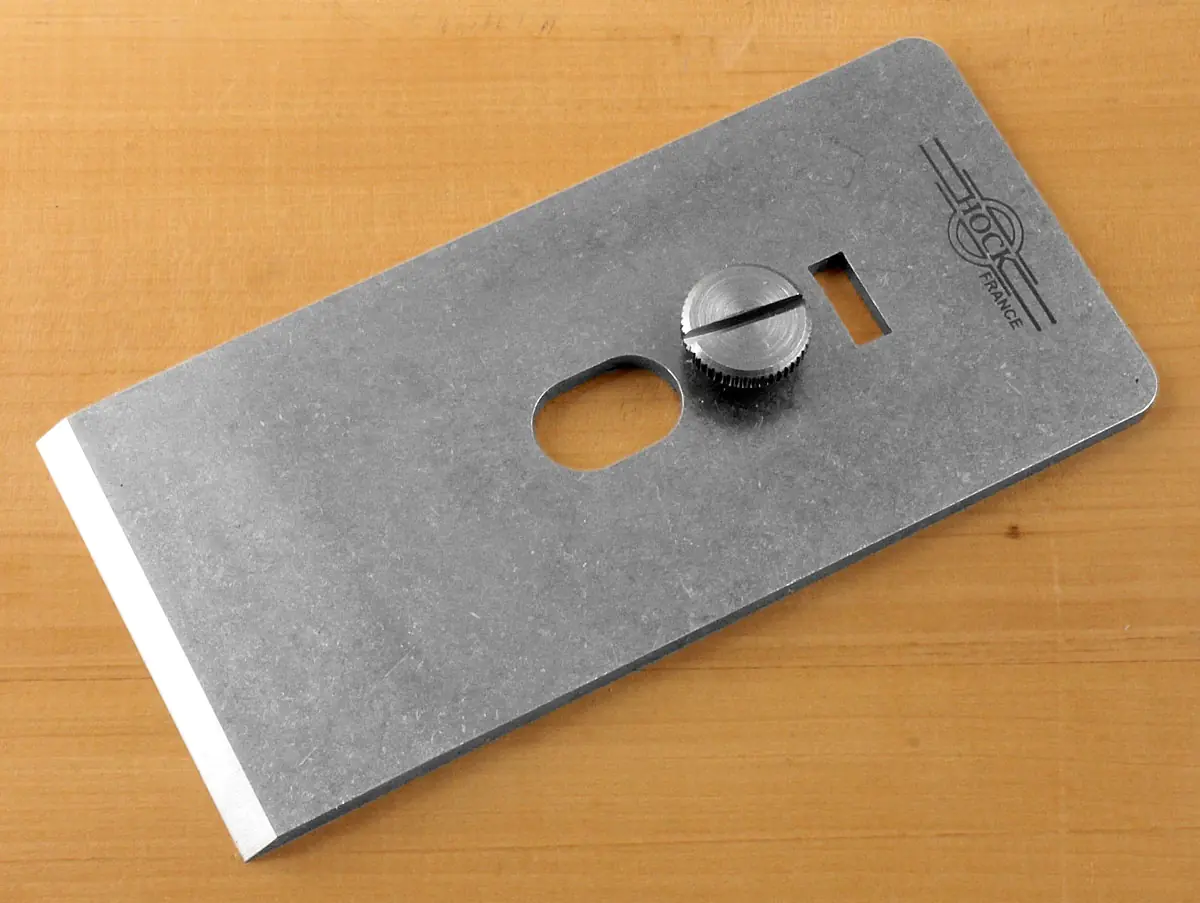
Available, delivery time: 1-3 businessdays within Germany
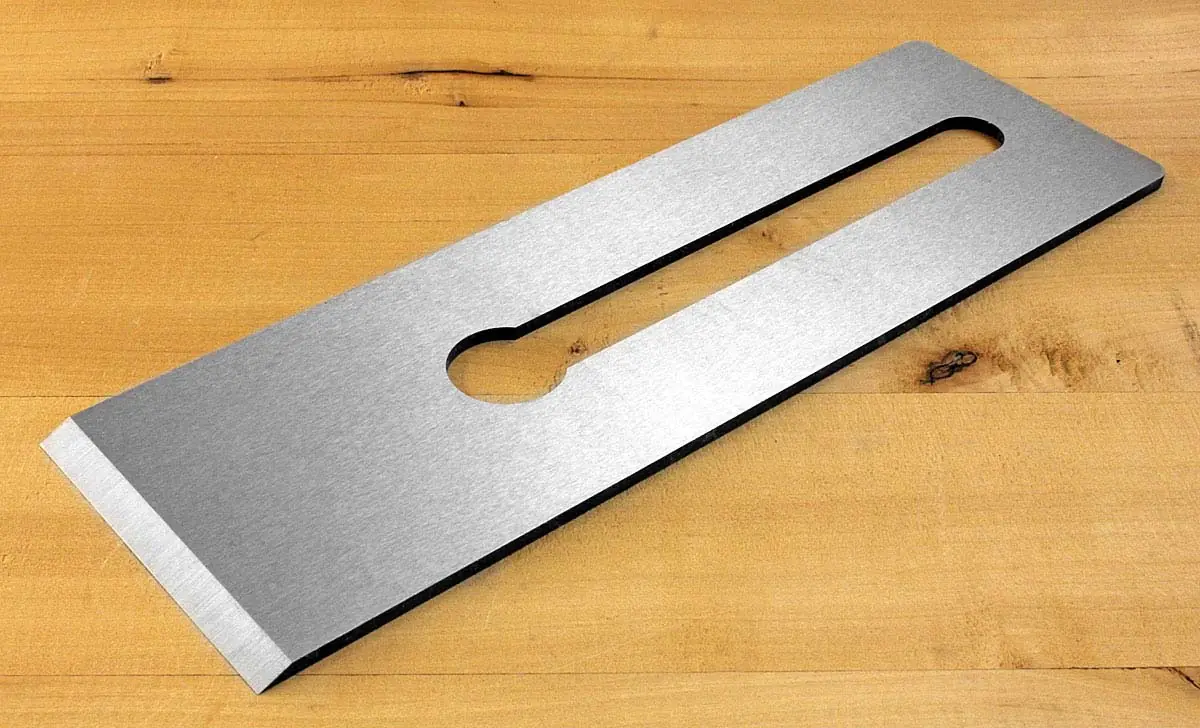
Available, delivery time: 1-3 businessdays within Germany
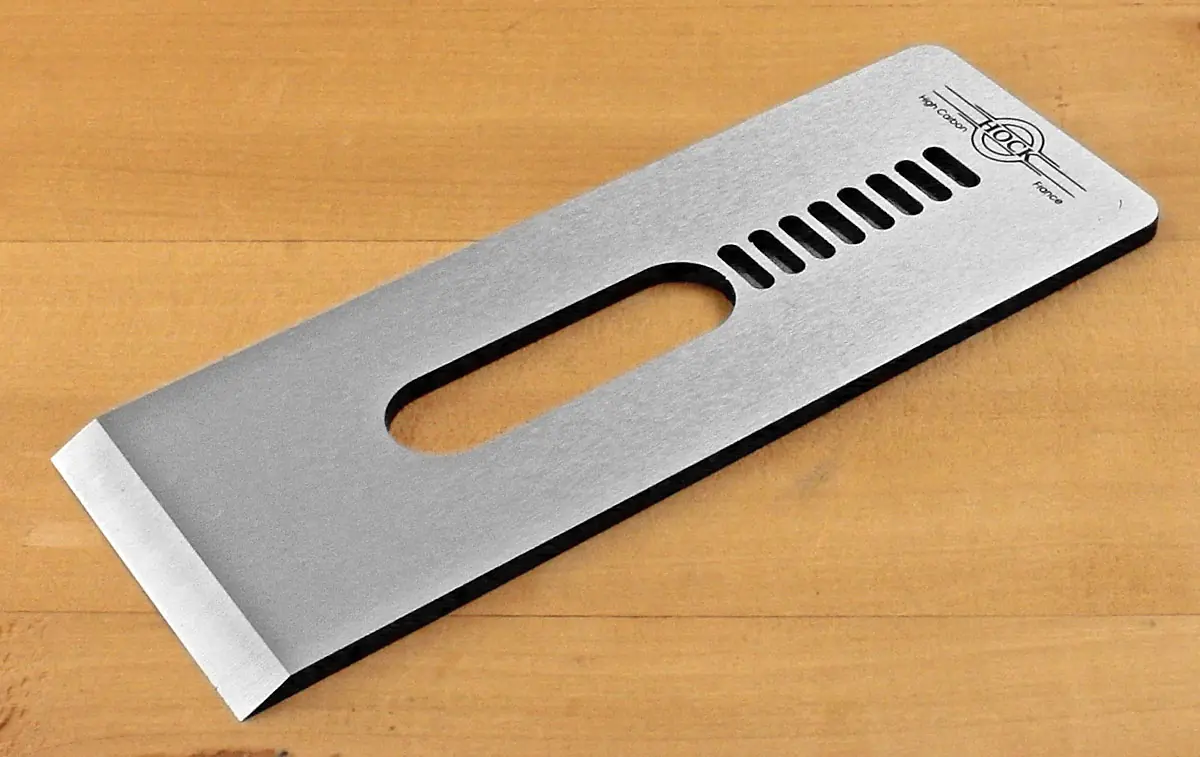
Available, delivery time: 1-3 businessdays within Germany
Available, delivery time: 1-3 businessdays within Germany
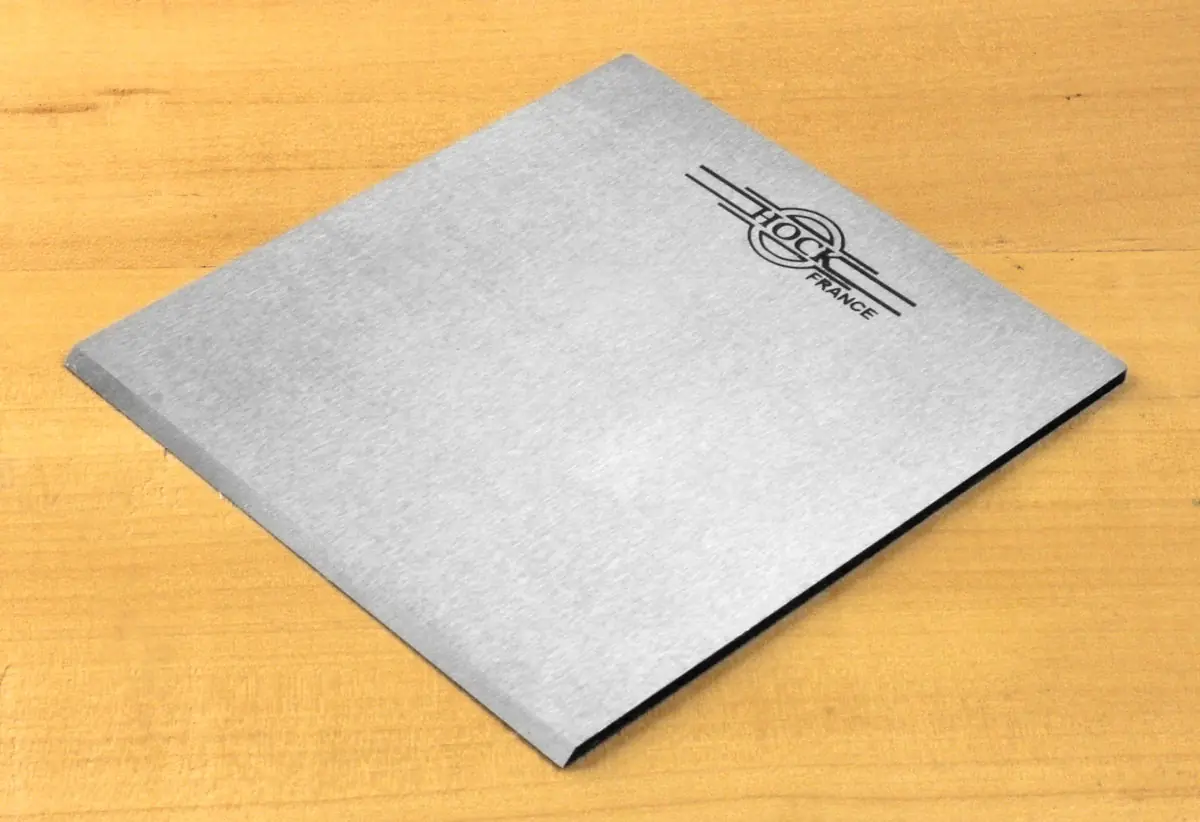
Available, delivery time: 1-3 businessdays within Germany
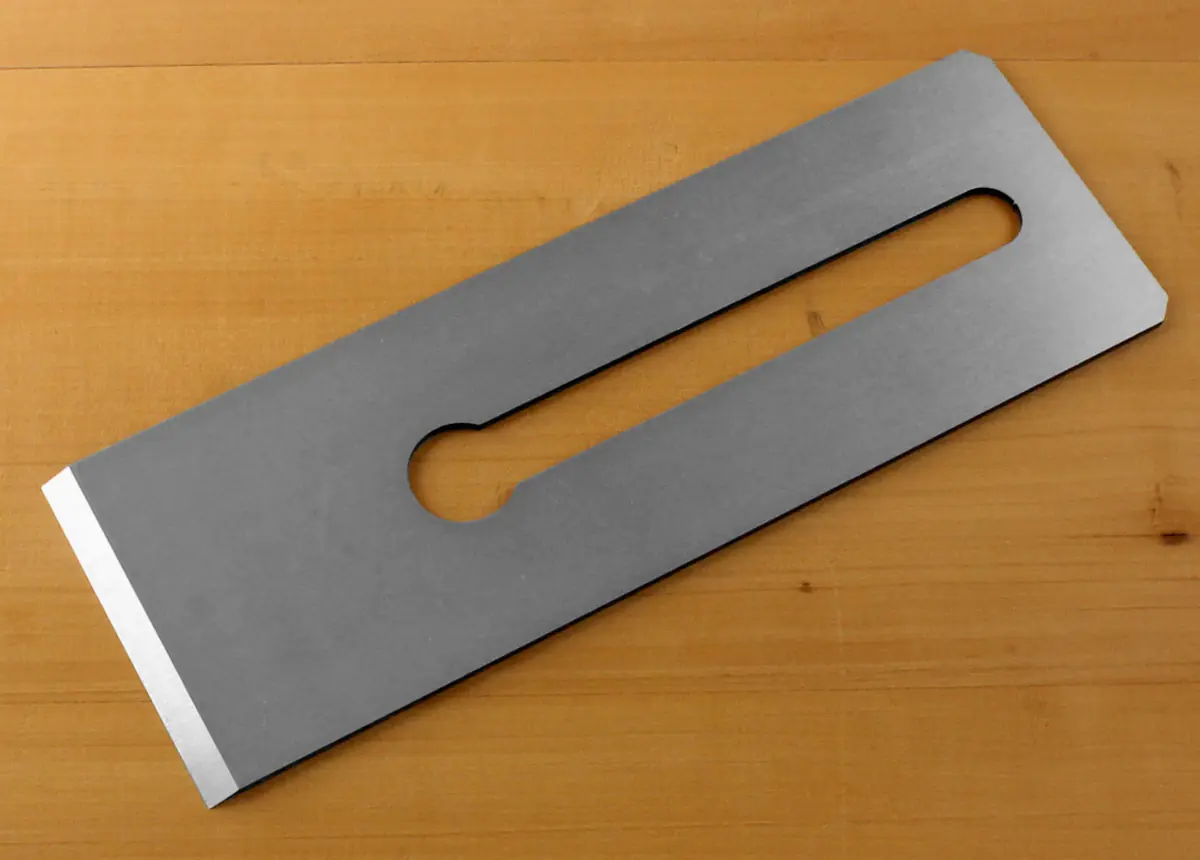
Available, delivery time: 1-3 businessdays within Germany
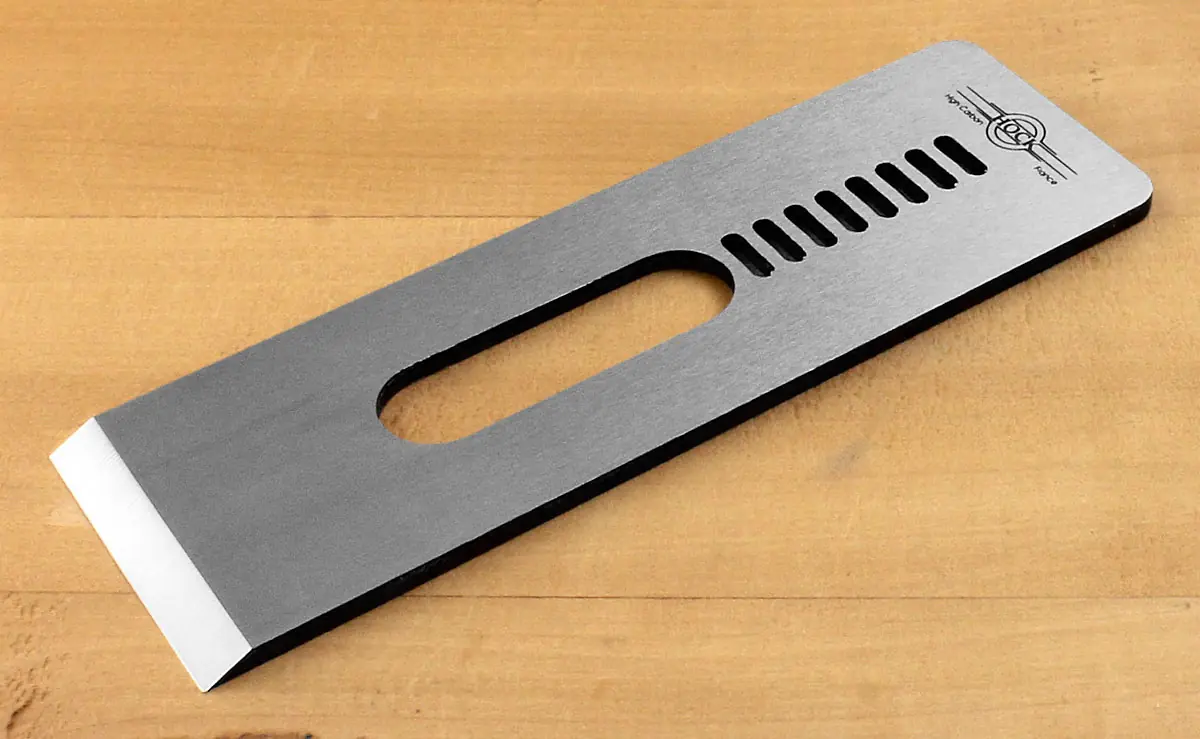
Available, delivery time: 1-3 businessdays within Germany
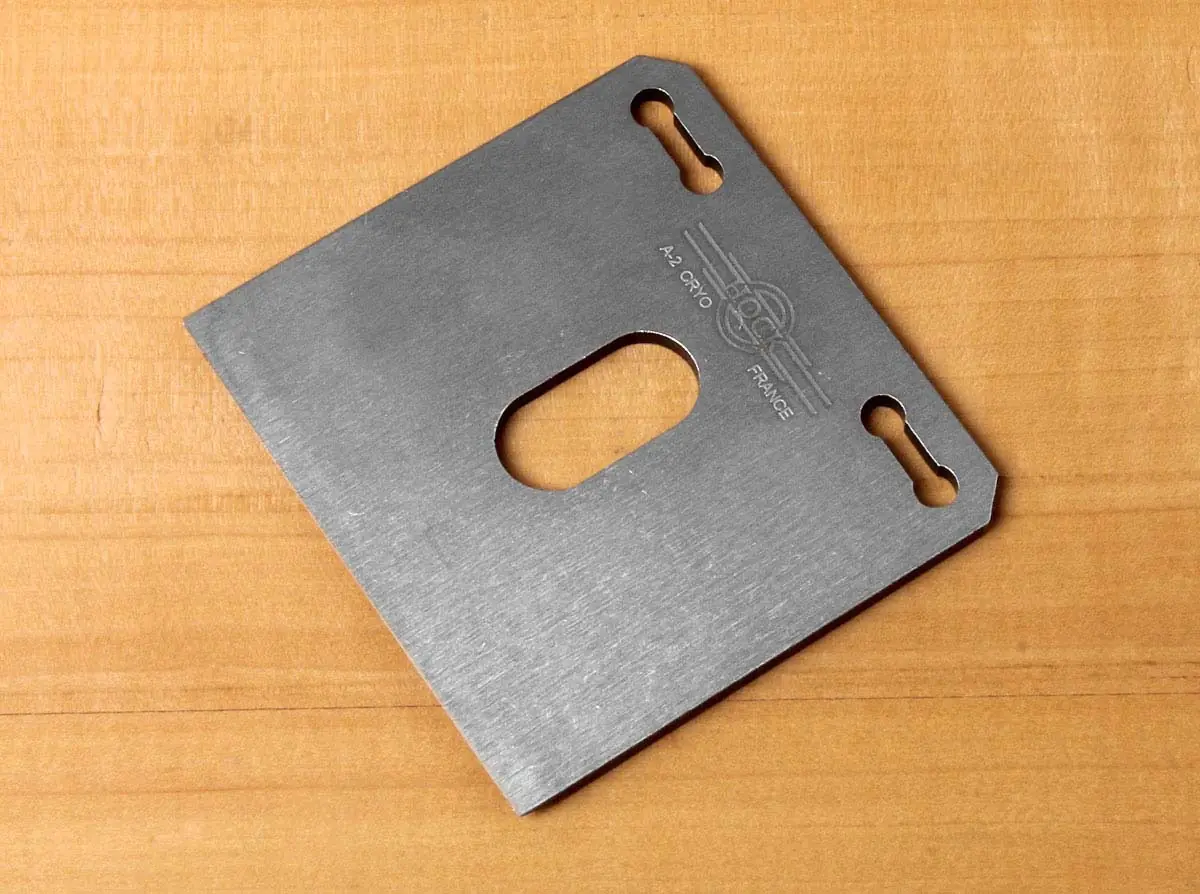
Available, delivery time: 1-3 businessdays within Germany

Currently not available, no delivery date known
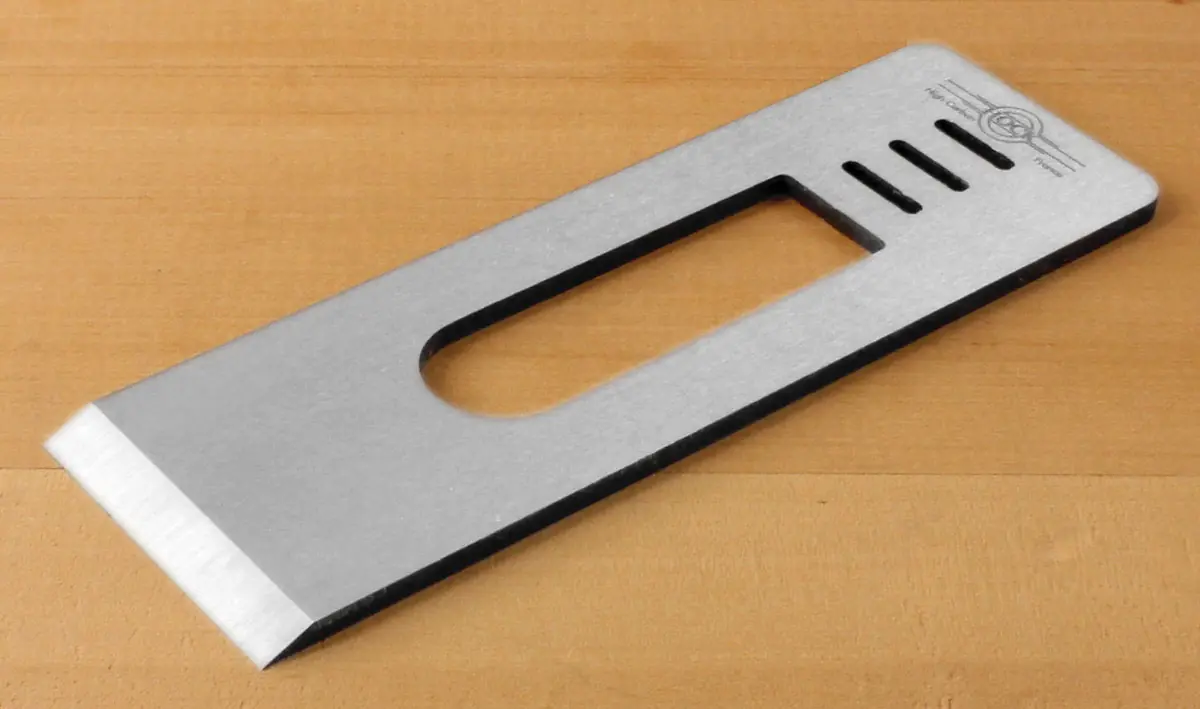
Available, delivery time: 1-3 businessdays within Germany
Available, delivery time: 1-3 businessdays within Germany
Available, delivery time: 1-3 businessdays within Germany
Available, delivery time: 1-3 businessdays within Germany
Available, delivery time: 1-3 businessdays within Germany